15,000 Hospital Bed Days Lost While Patients Wait for Care: Rainbow Foundation Puts Forward Rainbow Pathway as part of the Solution
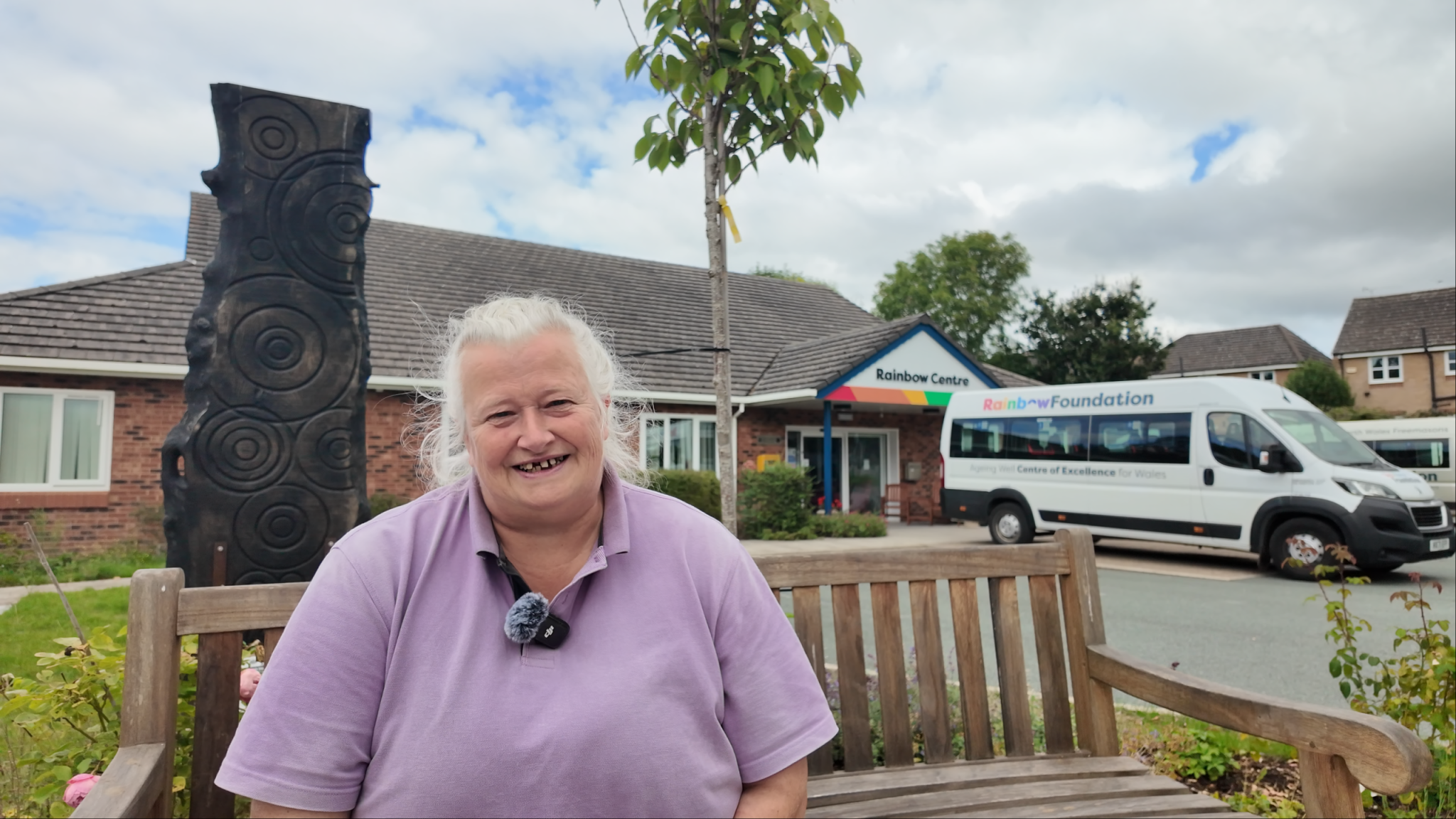
Denise Woolham, daughter of Maureen Lloyd
The need for a different approach is illustrated by the experience of local resident Maureen Lloyd from Bangor-on-Dee, who has since passed away. Before a series of falls, Maureen lived independently at home but spent ten months in hospital while suitable support arrangements were sought. Her experience highlights the challenges faced by older people who are medically ready to leave hospital but have limited options for rehabilitation and recovery closer to home.
Her daughter, Denise Woolham, believes the Rainbow Pathway could have made a significant difference.
“If the Rainbow Pathway had been available for Mum, it would have made life so much easier for all of us. She could have received the support she needed closer to home, remained connected to the Rainbow Centre she loved and maintained more of her independence. I believe it could make a real difference to countless families across our community.”
The Rainbow Foundation believes Maureen’s story is not unique and that many local families have experienced similar challenges navigating recovery, rehabilitation and care after a hospital stay.
The proposed service would provide physiotherapist-led rehabilitation, recovery support following illness, injury or a fall, respite care for carers and compassionate end-of-life care closer to home. The Rainbow Foundation estimates the model could save the Health Board around £800,000 per year through reduced hospital stays and improved patient outcomes.
The charity also says the proposal would create local jobs, retain healthcare services within the community and make better use of an existing public asset.
Caroline added:
“This is not about saving a building. It is about helping people recover, supporting families, creating local jobs and making sure there is a hospital bed available when local people need one.
We can continue accepting a system where people remain in hospital longer than necessary and pressure on A&E and hospital wards continues to grow, or we can look at solutions.
The Rainbow Pathway would help people get back on their feet, back into their communities and back home sooner. It would create local jobs, support carers and families, and help ensure NHS resources are available when local people need them.”
The Health Board consultation closes on 7 October, and local residents are being encouraged to have their say on the future of Penley Hospital. Find out more about the Health Board Consultation and have your say at: www.bcuhb.nhs.wales/get-involved/shaping-the-future-of-penley-hospital/
For more information about the Rainbow Pathway, visit the Rainbow Foundation website at www.rainbowfndn.org.uk/penley-hospital/