The Rural Penalty in Wrexham’s Cost-of-Living Crisis
By any measure, the people interviewed for this report are not asking for very much. They are not demanding luxury or special treatment. What they want is a warm home, decent food, a way to get to doctors’ appointments, and enough money left at the end of the week to sleep without worry.
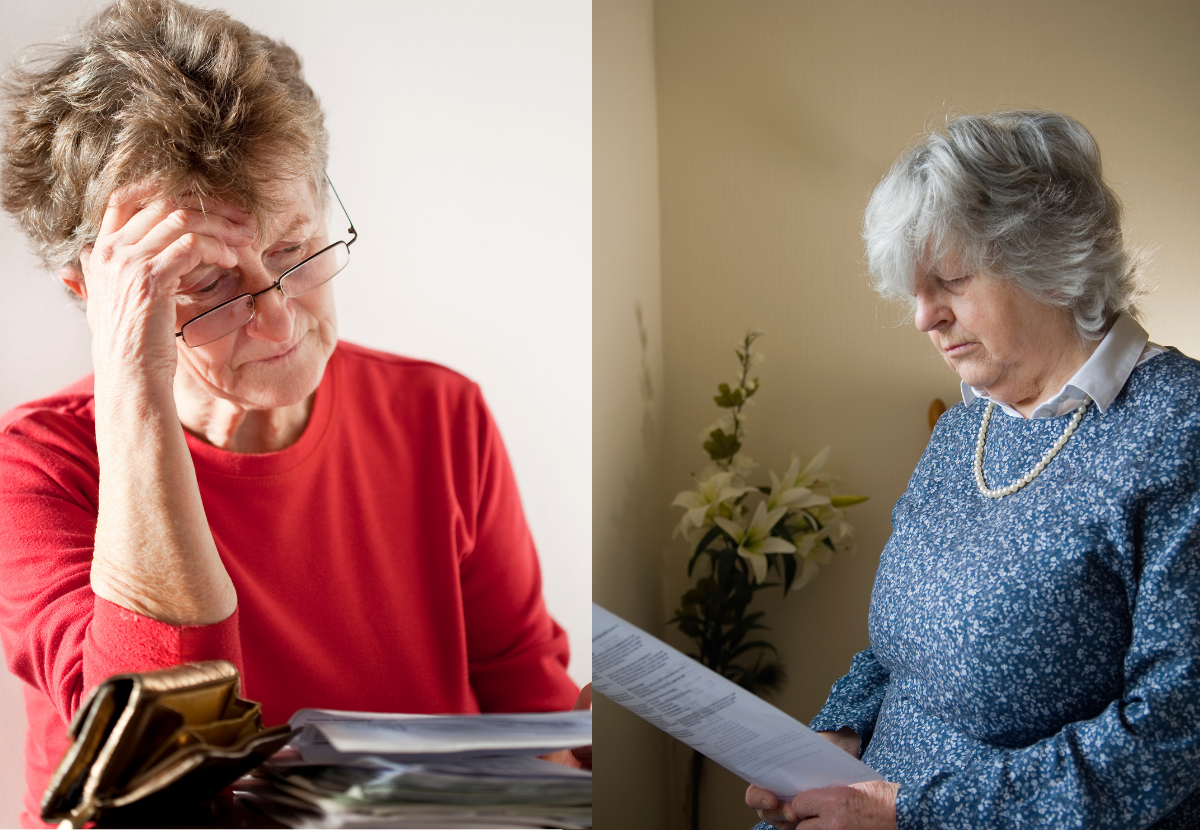
Yet for many older people living in rural South Wrexham, even these basic needs are becoming harder to secure. The Cost-of-Living Crisis Report from Wrexham Poverty Action Collaboration and the Rainbow Foundation shows what happens when rising prices meet fixed incomes. Every respondent said they struggled to manage on their current income, while four in five had little or no financial cushion for unexpected costs. Many also feared how they would afford care and support in later life.
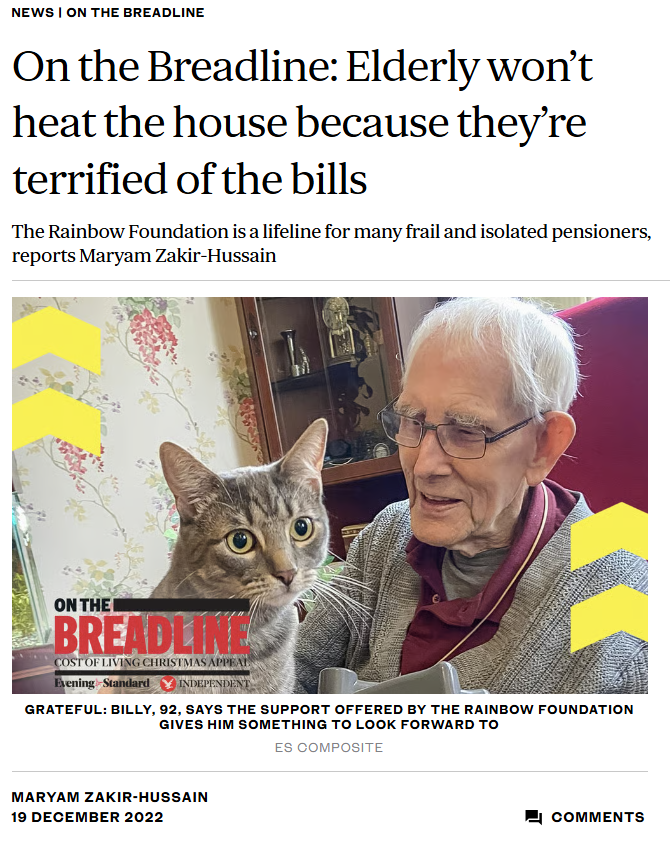
What is most worrying is that this is not new. In 2022, the Rainbow Foundation was featured in the Evening Standard’s “On the Breadline” campaign. Staff described older people surviving on cereal and bread, sitting in cold homes wrapped in blankets, frightened of energy bills. Four years later, the same themes remain. The crisis for many older people is ongoing and temporary hardship is tragically becoming the new normal.
Perhaps the greatest rural penalty is transport. In South Wrexham, reduced bus services and expensive taxis mean everyday tasks become obstacles. No access to affordable transport means missed hospital appointments. Lack of transport means paying expensive prices for goods at local shops because the same goods at cheaper supermarkets are out of reach. Geography is now a driver of inequality.
The report also reminds us that poverty is about more than income. It affects confidence, health, sleep, independence and social connection. Some participants said that without local rural hubs and community groups, they would have little or no social contact with other people
The lesson for policymakers is there needs to be practical action, which means better rural transport, warm and welcoming community spaces, proactive benefits advice, affordable food, energy support and help before crisis point.
Older adults of rural Wrexham have made their contribution to our society. They helped build the communities we live in today. The question is not whether we can afford to support them. It is whether we can afford the social, health and human cost of failing to do so.
They deserve dignity, security and connection. That should be the minimum standard of a civilised society. As Aneurin ‘Nye’ Bevan, Founder of the NHS said in 1952; “No society can legitimately call itself civilised if a sick person is denied medical aid because of lack of means.”